AI Agent Authorization: A Practical Architecture
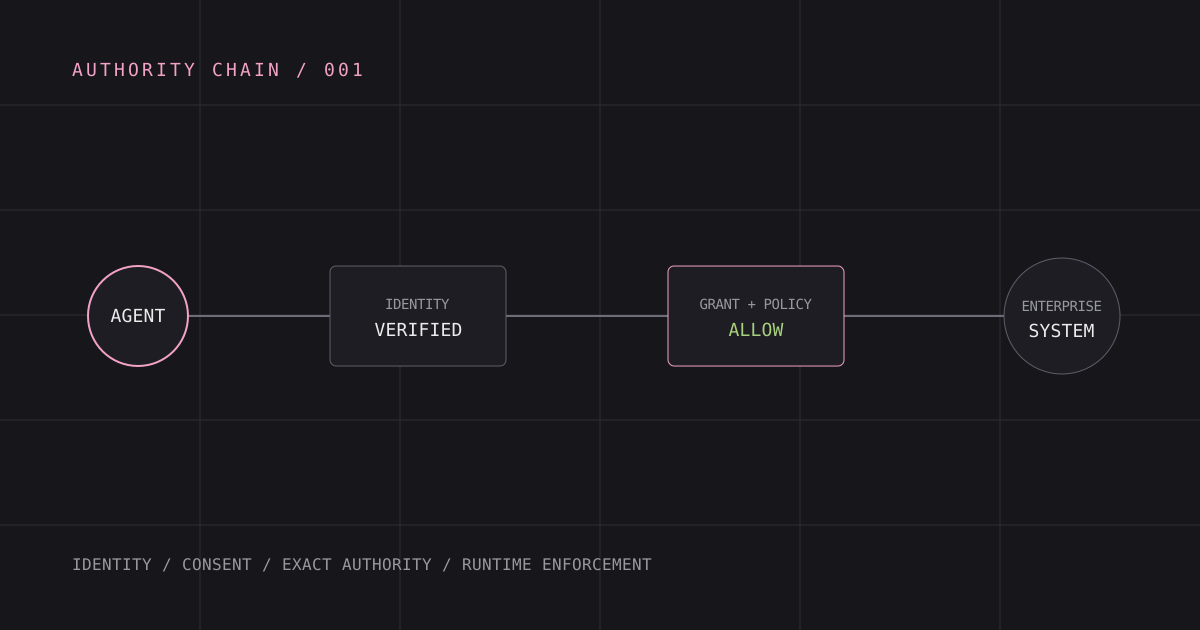
How to authorize AI agents with explicit application identity, user consent, bounded credentials, and runtime enforcement.
Author / Agent security engineering
The Axec team builds identity, authorization, credential governance, and runtime controls for AI agents accessing enterprise systems.
Follow Axec Team on LinkedInHow to authorize AI agents with explicit application identity, user consent, bounded credentials, and runtime enforcement.
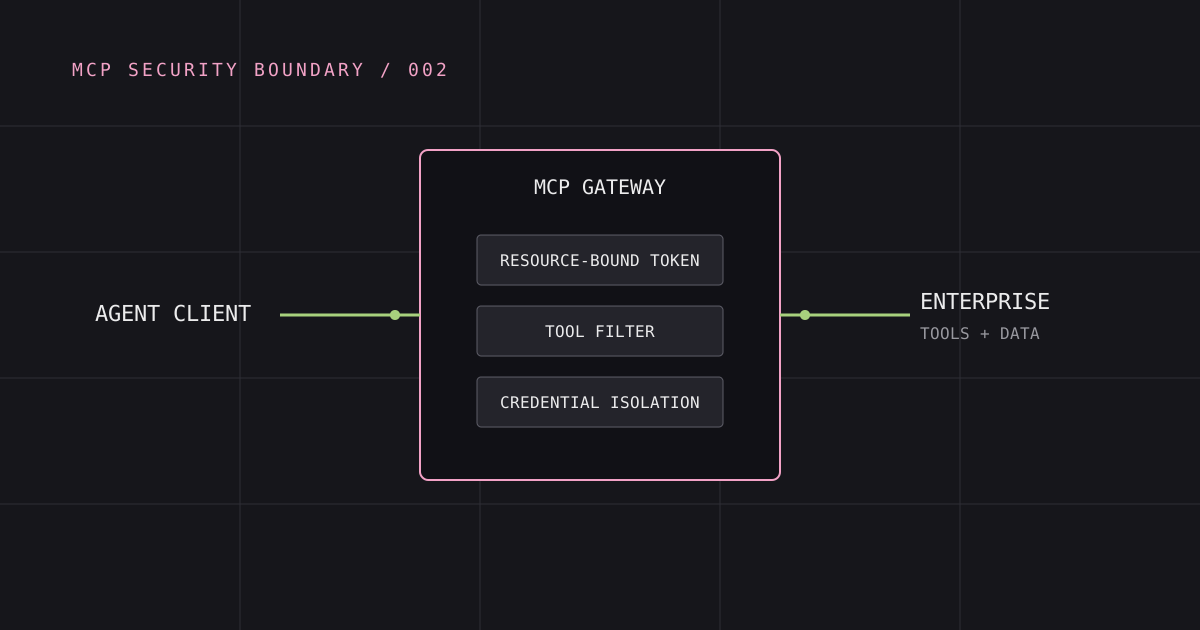
A deployment-focused guide to MCP authentication, resource-bound authorization, credential isolation, and runtime controls.
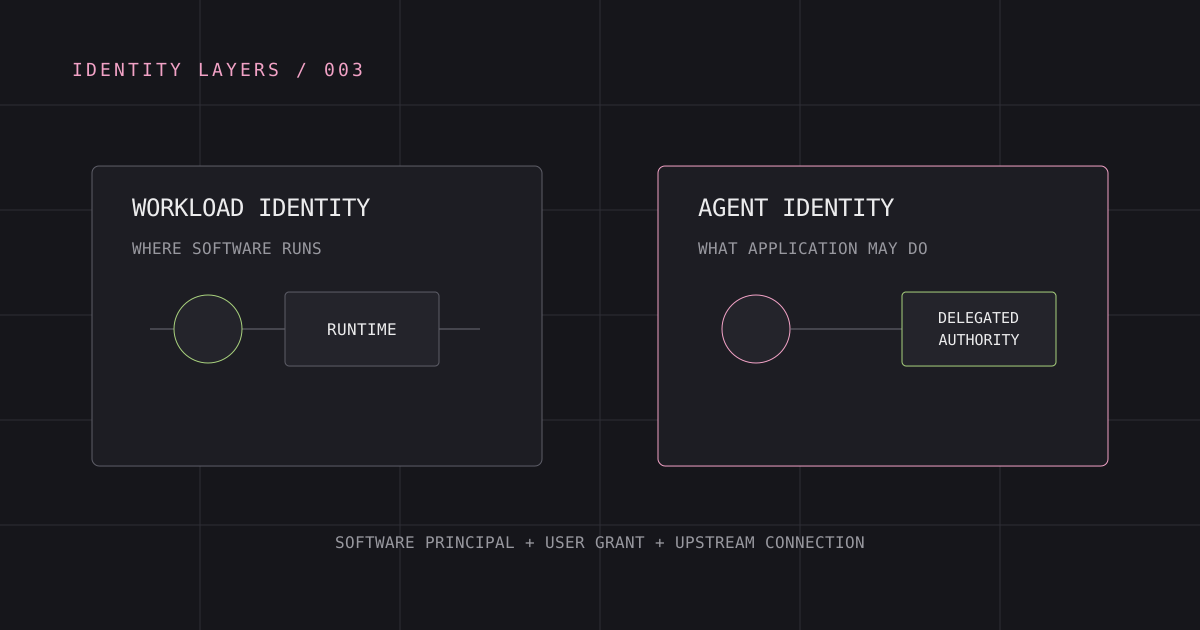
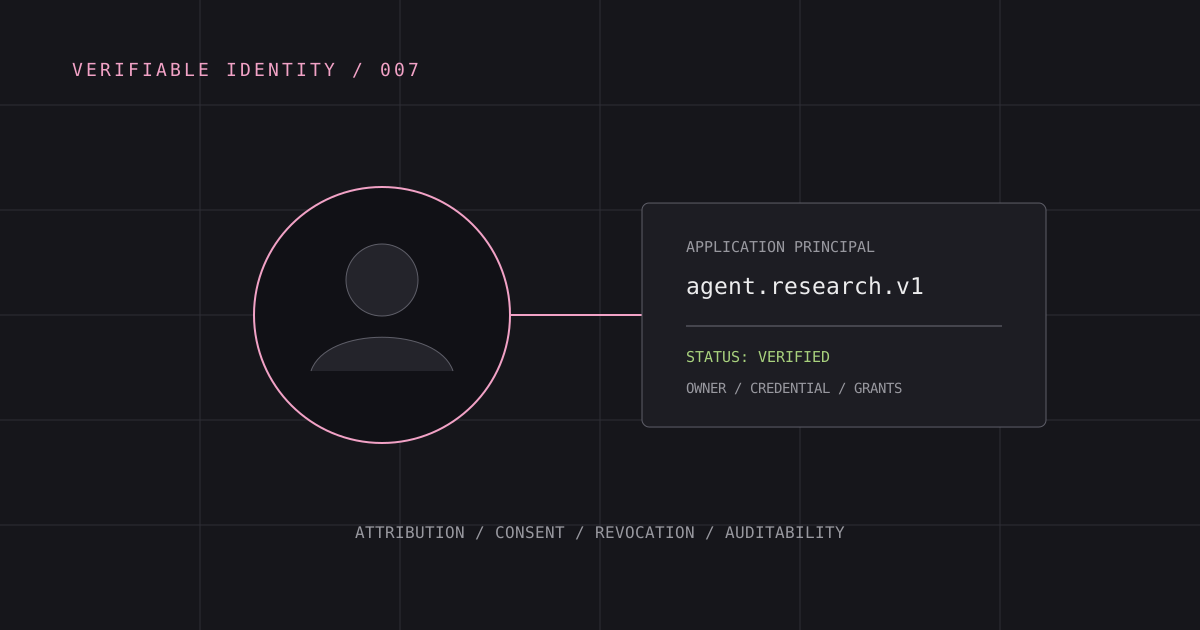
How agent identity relates to workload identity, user delegation, credentials, and authorization boundaries.
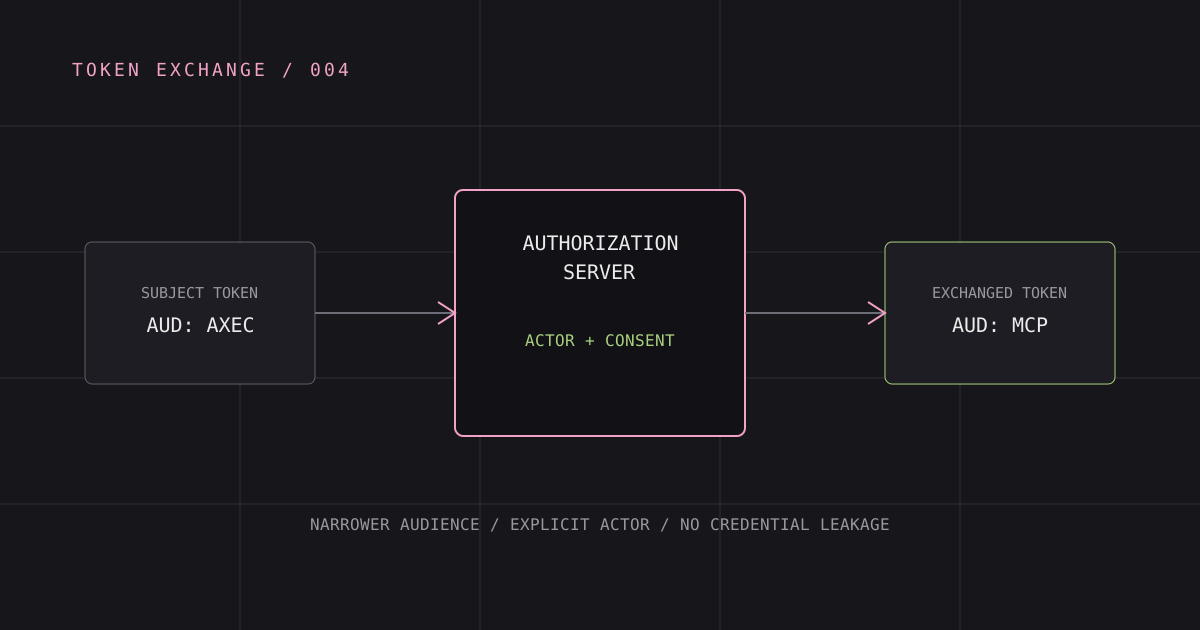
When OAuth token exchange fits agent architectures, when it does not, and how to preserve resource and delegation boundaries.
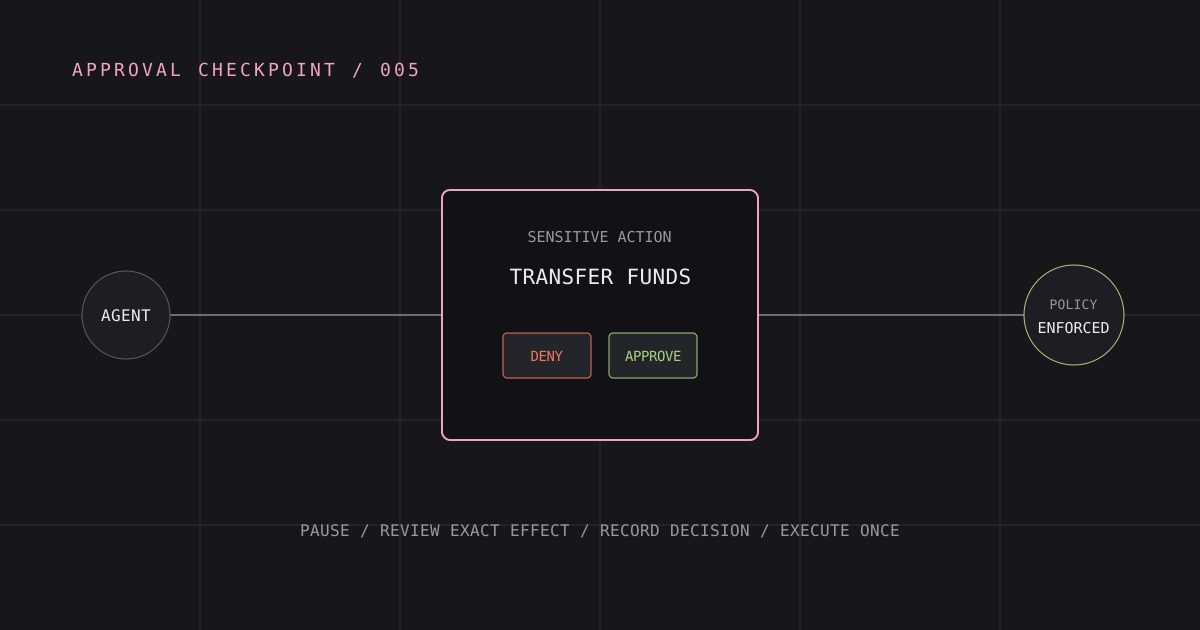
Design meaningful human approval for agent authority changes and high-impact actions without creating approval fatigue.
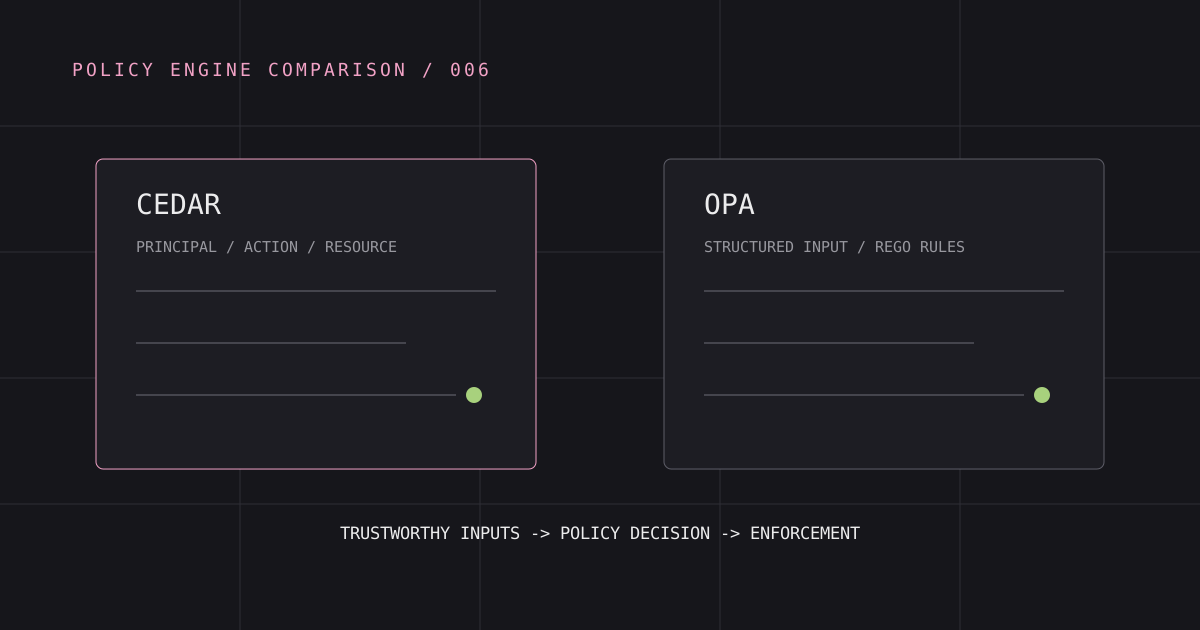
A practical comparison of Cedar and Open Policy Agent for capability, resource, and context decisions in AI agent systems.
Identity gives agent actions attribution, credential boundaries, revocation, and a foundation for meaningful authorization.
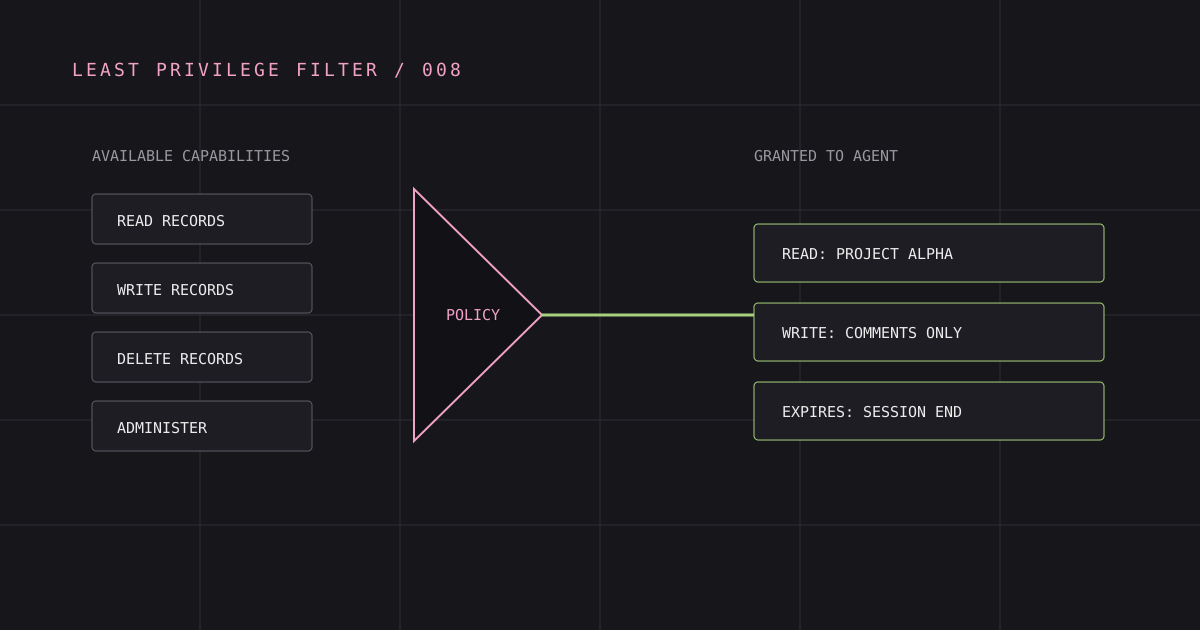
Reduce agent authority with capability ceilings, specific consent, credential isolation, live checks, and measurable revocation.